Furniture Buying Guides

Dining Room Rugs Size Under Table: A Perfect Fit Guide

dining room rugs size under table

You notice a bad dining rug the moment someone pulls out a chair.

The front legs stay on the rug. The back legs drop off the edge. The chair jerks. Dinner starts with a scrape instead of a smooth seat. It looks wrong, and it feels worse.

That problem shows up in homes all the time because people shop for the table and treat the rug like an afterthought. They pick a pattern they like, guess the size, and hope it works. It does not.

A dining rug is the foundation under the whole setup. It anchors the table, keeps chairs moving properly, and gives the room a finished shape that bare floors alone cannot deliver.

Your Dining Room's Foundation More Than Just a Rug

A dining room can have beautiful lighting, a solid wood table, and comfortable upholstered chairs, yet feel off. Most of the time, the rug is the reason.

If it’s too small, the room looks pinched. If it’s too busy, it fights the furniture. If it sits in the wrong place, the whole dining set feels like it’s floating.

A warm, traditional dining room setup with a wooden table, fabric chairs, and a solid green area rug.

A good rug does three jobs at once. It defines the dining zone, softens the room, and gives every chair a stable place to land.

Why the rug matters more than people expect

The dining room is active space. Chairs move. Guests shift around. Someone always pulls back farther than expected.

That means your rug cannot be chosen like a decorative accent pillow. It has to function first.

The best dining room rugs size under table decisions come from practicality, not guesswork. You start with movement. Then you layer in shape, material, and style.

What a properly sized rug changes

A correctly sized rug makes the room feel calmer and more intentional. Your dining table looks grounded. The seating feels easier to use. Open-plan homes read more clearly when the dining area has a defined footprint.

Tip: If your dining room feels unfinished after the table, chairs, and lighting are in place, check the rug size before you change anything else.

If you want inspiration for how a finished dining space should feel, this guide on how to design a dining room is a helpful place to start.

The 24-Inch Rule Your Key to Perfect Proportions

A guest pushes back from dinner, and the back chair legs drop off the rug. That one sizing mistake makes the whole setup feel awkward fast.

Use the rule that prevents it. Your rug should extend at least 24 inches past the table on every side.

That extra room gives chairs space to slide back and stay supported. It also keeps the table from looking stranded on a rug that is too small for the job.

Why this rule works

The 24-inch rule holds up because it solves a daily use problem. People do not sit down and stand up in a straight line. Chairs angle out, kids scoot them back too far, and hosts squeeze in one more seat at the end.

This matters even more with real family dining rooms, not staged photos. If you have heavier armchairs, captains chairs, or chairs with a wide flare at the back, 24 inches is the minimum, not the goal. In those cases, a little more rug is the smarter choice.

It also helps with tricky layouts that get ignored in a lot of rug advice. An extendable table needs to be sized for the table with the leaf in, not just the everyday setup. An open-concept room also needs enough rug around the table so the dining area reads as a complete zone instead of a random island.

If you need exact dimensions before you shop, use this guide on how to measure furniture correctly.
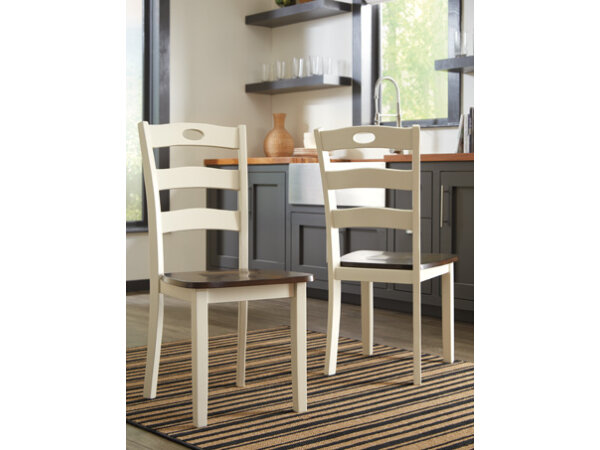
What goes wrong when the rug is too small

A small rug creates problems you notice every day.
  • Chair legs catch the edge: Guests have to scoot or lift the chair instead of moving naturally.
  • The table looks top-heavy: Even a beautiful dining set can feel cramped and poorly scaled.
  • Leaves create instant sizing problems: Add the extension and the end chairs can end up half on, half off the rug.
  • Open rooms lose definition: The dining area looks unfinished because the rug footprint stops too close to the table.

Those are not styling issues. They are function issues.

My recommendation

Buy for the pulled-out chair, not the tucked-in chair.

That is the standard we use in the showroom because it works in real homes. If you are deciding between two sizes, pick the larger one, especially with extendable tables or dining areas that sit inside a great room.

Key takeaway: In a dining room, a slightly larger rug forgives real life. A too-small rug punishes it.

A Simple Measuring Method for a Flawless Fit

A dining rug usually goes wrong in a very predictable way. The table fits. The chairs do not.

A person in a green sweater measures the glass surface of a dining table with a tape measure.

The measuring formula

Use the table at its largest working size, then build the rug around that footprint.

Measure the full length and width of the tabletop. Add 48 inches to each number. That gives you 24 inches of rug on every side, which is the clearance chairs need to slide back without catching the edge.

A 72" x 42" table, for example, calls for a rug close to 120" x 90". Since rugs come in standard sizes, the practical choice is usually an 8' x 10'.

That same rule matters even more with leaf tables and dining areas that sit inside a larger room. If the table extends for holidays or regular hosting, measure it with the leaf in place. If your dining space is open to the kitchen or living area, tape out the rug and check that it still feels centered and intentional from the surrounding room, not just from the table.

Test it on the floor before you buy

Paper math helps. Floor testing settles it.

  1. Measure the table: Use the actual tabletop dimensions.
  2. Add 48 inches: Add 24 inches per side to the length and width.
  3. Tape the outline: Mark the rug footprint on the floor with painter's tape.
  4. Set the chairs where people use them: Pull each chair out to a real sitting position.
  5. Check the trouble spots: End chairs, captain's chairs, and extension leaves usually reveal the sizing mistake first.

This step saves returns, second-guessing, and a rug that looks fine online but feels wrong in the room.

The detail people miss

Chair movement changes the measurement.

Chairs with arms, curved backs, or wide seats need more room than a slim side chair. Extendable tables create another issue. The rug has to work on an ordinary Tuesday and on a full-house holiday weekend. In open-concept homes, the taped outline also shows whether the rug gives the dining area enough presence to read as its own zone.

If you want a refresher before you mark the floor, this guide on how to measure furniture correctly lays out the basics clearly.

Practical advice: If your measurements put you between two rug sizes, buy the larger one. Dining rooms reward extra clearance.

Rug Size Chart for Every Table Shape and Seat Count

Skip the guesswork. Rug sizing gets much easier once you match the rug to the table’s shape, seat count, and how the chairs sit in the room.

Infographic

The standard pairings that work

For many 6-person dining tables, 8' x 10' is the size that works. For many 8-seat layouts, 9' x 12' is the safer pick. Analysts at Miss Amara found that over 55% of mid-sized dining spaces use these standard proportions, that 70% of rugs bought for dining rooms are too small, and that undersized choices are tied to 25% higher return rates.

Those numbers highlight two realities: standard sizes exist for a reason, and too many shoppers still buy too small.

Use the chart as your starting point, then adjust upward if your chairs are wide, your table has thick pedestal legs, or your dining area sits out in the open and needs stronger visual definition.

Dining Rug Size Quick Reference

Table Shape Seats Minimum Rug Size
Rectangular 4 to 6 8' x 10'
Rectangular 6 to 8 9' x 12'
Rectangular 8 to 10 10' x 14'
Round 4 to 6 8' Round
Round 6 to 8 9' or 10' Round
Square 4 8' x 8'
Square 6 to 8 9' x 9' or 10' x 10'
Oval 4 to 6 8' x 10'
Oval 6 to 8 9' x 12'

How to choose by shape

Shape matters because it affects both fit and visual balance.

Rectangular tables

Rectangular tables are the easiest to pair. A rectangular rug gives you the cleanest layout, the widest size selection, and the least risk of awkward empty corners.

If your table seats six and sometimes stretches to eight with tighter chair spacing, start by pricing a 9' x 12'. That extra room usually looks better and functions better than a cramped 8' x 10'.

Round tables

Round tables look best on round rugs when the room allows it. The pairing feels natural and keeps the table centered from every angle.

Still, round rugs are harder to find in the right sizes. A square rug is a smart substitute if it keeps every chair leg on the rug, even when the chairs are turned slightly during a real meal.

Square tables

Square tables benefit from square rugs because the proportions stay disciplined and tidy. This pairing works especially well in breakfast rooms, smaller dining nooks, and rooms where symmetry helps calm a busy layout.

For larger square tables with six or eight seats, do not stop at a snug fit. A bigger square rug keeps the room from feeling pinched.

Oval tables

Oval tables usually sit best on rectangular rugs. You get the clearance you need, and you avoid the limited sizing options that come with oval rugs.

This matters even more with oval extension tables, where the shape stays graceful but the footprint changes. In those cases, a standard rectangular rug gives you more flexibility and a better chance of getting the size right.

Tip: Match the rug shape to the table shape when it gives you proper chair clearance. In open-concept homes and with extendable tables, function comes first.

If you are still deciding between round, rectangular, square, or oval dining setups, this guide to table shapes and seating arrangements for different dining spaces will help you choose with less second-guessing.

Solving Sizing for Extendable and Open-Concept Dining

The trouble usually starts on the day you pull out the leaf.

Dinner for four becomes dinner for eight, chairs slide back, and two of them catch the rug edge or land half on, half off. That is the sizing mistake competitors gloss over. An extendable table changes the room’s working footprint, so the rug has to be chosen for the table at full size, not its smallest setting.

A modern wooden dining table fully extended in a bright sunlit room with glasses and fruit centerpiece.

Extendable tables need a bigger plan

A 2024 Houzz survey found that 42% of U.S. homeowners own extendable dining tables, but only 18% feel confident sizing a rug for them. For a 60" table that extends to 84", the rug must be at least 9' x 12' to maintain the needed clearance when expanded (Slone Brothers dining room rug size guide).

That gap in confidence is easy to understand. A table with leaves creates two usable sizes, but a rug only gets one chance to be right.

My advice is firm. Measure the table with every leaf installed, then size the rug for that version. If the table spends ten months closed and two months open, buy for the open months anyway. Holidays, birthdays, and full-house weekends are exactly when a too-small rug becomes annoying.

Pedestal extension tables can fool people because the base stays compact while the top grows. Trestle tables do the opposite problem. Their longer footprint and wider chair spread demand even more rug space at the ends. In both cases, trust the chair position, not just the tabletop outline.

Open-concept rooms need clear edges

Open-concept dining rooms create a different sizing problem. The rug is not only supporting chairs. It is setting the boundary of the dining area so the table does not feel like it is drifting into the kitchen or living room.

A small rug makes the whole zone look accidental.

Use these rules in open layouts:

  • Frame the entire dining set, not just the tabletop. The rug should visually hold the table and every chair as one group.
  • Give the room breathing room around the rug. If the rug nearly touches an island on one side or a sofa on the other, the space feels cramped and unresolved.
  • Keep the table centered on the rug and the rug centered in the dining zone. In open plans, even a small shift is easy to spot.
  • Let the furniture footprint guide the rug shape. A rectangular rug usually works best for long extension tables, even if the room itself is more square.

One more thing matters here. Walkways.

If guests regularly pass behind seated diners to reach the kitchen, pantry, or patio door, the rug has to support that traffic pattern without feeling undersized. In a closed dining room, a tighter fit may pass. In an open plan, it looks stingy and functions worse.

Expert advice: For leaf tables and open-concept spaces, buy the rug for the room at its busiest and the table at its largest. That decision prevents chair snags, awkward edges, and a dining area that never looks fully settled.

Choosing a Rug That Lasts Materials and Maintenance

A dining rug earns its keep after the table is set and the chairs start moving.

This is the part shoppers rush past, and it is where regret usually starts. A rug can be perfectly sized and still fail if it grabs chair legs, shows every crumb, or makes you nervous every time someone pours red wine. That problem shows up even faster with extendable tables and open-concept rooms, because those spaces see more chair movement, more foot traffic, and more daily wear from multiple directions.

Start with pile height

Choose a low-pile rug for the dining room. Every time.

Chairs slide better on it. Cleanup is simpler. The edges stay neater, and the rug is less likely to catch on chair legs as people scoot in and out. If you have an extension table that changes size for holidays, low pile matters even more because the seating layout shifts and chairs rarely return to the exact same spots.

Skip shag, deep texture, and anything plush enough to leave tracks.

Pick the material for your real household

A formal dining room used a few times a year can handle a different rug than an open dining area that works hard every day. Buy for the busiest version of your home, not the prettiest version in your head.

  • Wool: Best for homeowners who want a refined, substantial look and are willing to give it proper care. It wears well and feels rich underfoot.
  • Polypropylene and other performance synthetics: Best for families, frequent hosts, and anyone who wants easier stain cleanup with less fuss.
  • Flatweaves: Best for clean-lined rooms, heavy chair movement, and open-concept spaces where you want the dining area to feel crisp instead of bulky.

One practical note from years on the sales floor. If your dining space opens straight into the kitchen or family room, avoid delicate fibers that show every mark. Those rugs may look beautiful on day one, but they age fast in hardworking spaces.

My advice for maintenance

Pattern helps. Flecked color helps more than solid ivory. A rug pad helps too, because it reduces shifting and cuts down on uneven wear.

Vacuum regularly, blot spills quickly, and rotate the rug if the room gets uneven sun. Simple habits add years.

If you are torn between two looks, choose the one you will feel comfortable using every night. If you need help narrowing that down, take our dining room style quiz before you buy. The right dining rug should support dinner on a quiet Tuesday just as well as a full house on Thanksgiving.

Create Your Dream Dining Space Today

A well-sized dining rug fixes more than appearance. It makes the room easier to use, more comfortable to gather in, and more polished every day.

The formula is straightforward. Follow the 24-inch rule, measure the table carefully, account for extensions if the table has leaves, and choose a material that can handle real life. That is how you avoid the most common mistakes and get a result that feels settled from day one.

If your current setup feels off, start with the rug before you replace everything else. One correct change improves the whole room.

If you want extra help refining your dining style before you shop, take this dining room style quiz. It’s a useful shortcut when you know the room needs direction but you have not pinned down the look.

For homeowners who want a dining room that works for weeknights, holidays, and last-minute guests, the right rug is not a finishing touch. It is the groundwork.


Short Furniture has helped Illinois families furnish their homes since 1870, and that experience shows in every dining room, bedroom, living room, and home office collection we offer online. If you’re ready to upgrade your dining space, shop Short Furniture for dining tables, dining sets, rugs, and home accents that are built for real homes and real gatherings. Browse our latest arrivals online, use our complimentary design consultations for expert guidance, ask about reliable delivery, and apply for financing today to bring home the pieces you want without delay.