


Accent Furniture for Living Room: Style Your Space


You’re probably standing in a living room that already has the basics. The sofa works. The coffee table does its job. The TV is in place. But the room still feels flat, or unfinished, or like it belongs to the house more than it belongs to you.
That’s where accent furniture for living room spaces makes such a difference. These are the pieces that add warmth, shape, function, and personality without requiring a full remodel or a whole new furniture set. A well-placed chair, ottoman, console, or side table can change how the room feels and how you use it every day.
The Secret to a Living Room with Soul
A room gets soul when it looks lived in on purpose. Not crowded. Not overly styled. Just layered in a way that feels personal and welcoming.
That’s why accent furniture matters so much. Your main pieces carry the room. Your sofa, media console, and coffee table handle the big jobs. Accent pieces do something different. They soften the room, solve awkward gaps, and make the space feel complete.
Why people are investing in more personalized spaces
More homeowners and renters are paying attention to these details, and the larger market reflects that. The global Living Room Furniture Market was valued at USD 226,512.2 million in 2023 and is projected to reach USD 389,235.3 million by 2032, with a 6.20% CAGR, according to Credence Research’s living room furniture market report. That growth points to a simple truth. People want living rooms that feel more personal, more useful, and more comfortable.
A room with soul usually isn’t built from matching pieces alone. It comes together through contrast. Maybe it’s a leather accent chair beside a soft fabric sofa. Maybe it’s a slim console behind a sectional. Maybe it’s an ottoman that adds comfort and storage at the same time.
A soulful living room doesn’t need more stuff. It needs the right pieces in the right places.
What accent pieces really do
Accent furniture earns its keep when it solves a real problem:
- A bare corner becomes a reading spot with a chair and small table.
- A long wall feels grounded with a console and lamp.
- An open-plan room gains shape with an accent chair that helps define the seating area.
- A practical room starts to feel inviting when textures and silhouettes vary.
If you’re still unsure where to begin, studying one small zone can help. A coffee table vignette often reveals what your room is missing, whether that’s height, softness, or a bit of contrast. For inspiration, see how to decorate a coffee table like a pro.
What Truly Defines Accent Furniture
If your main furniture is the outfit, accent furniture is the jewelry. It’s not always the first thing you buy, but it’s often what makes the room feel finished.
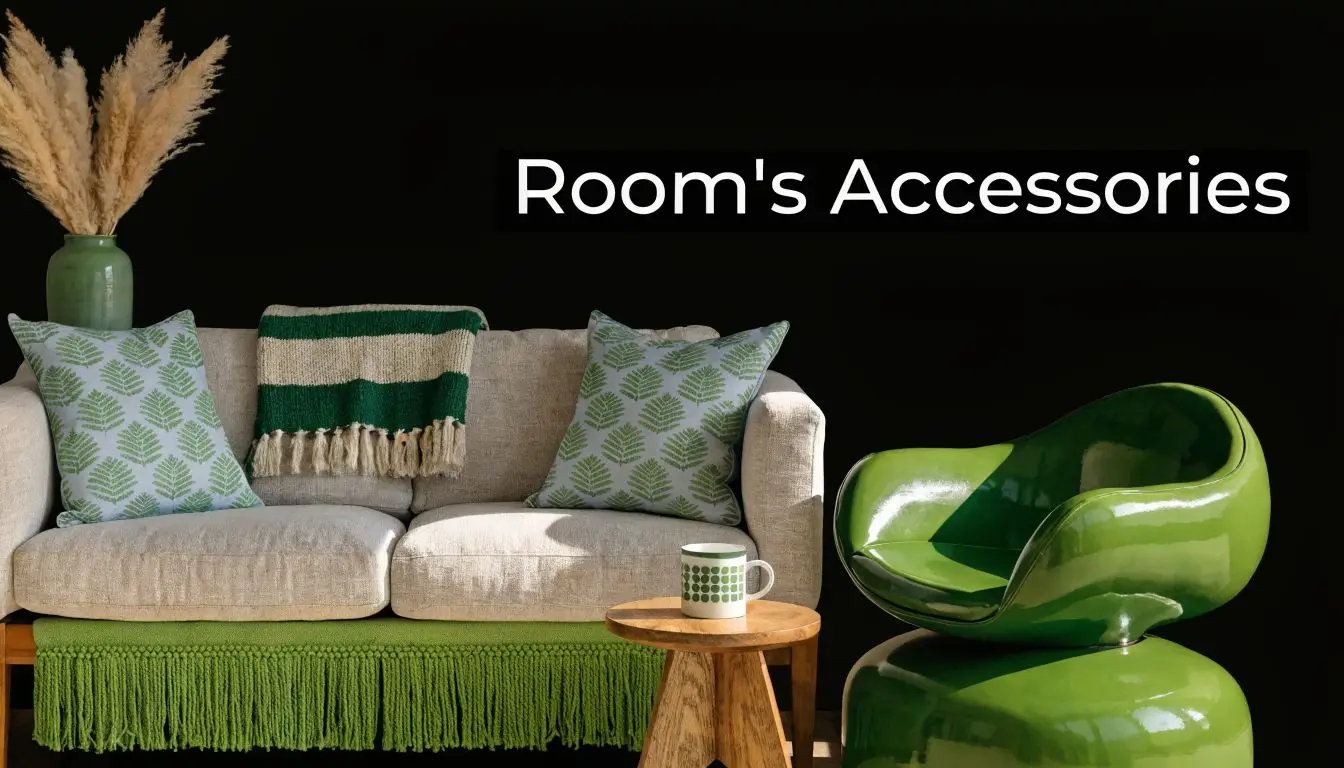
Accent furniture includes pieces like accent chairs, ottomans, side tables, console tables, benches, bar carts, and decorative storage pieces. In many rooms, it also includes the softer finishing layer, such as pillows and throws, because those pieces support the same goal. They add depth, comfort, and character.
The three jobs of accent furniture
Most accent pieces do at least one of these jobs. The best ones do two or three.
It adds personality
This is the most obvious role. An accent chair in a bold fabric, a sculptural table, or a tufted ottoman can break up a room that feels too uniform.
That doesn’t mean every piece has to be loud. Sometimes personality comes from shape or finish. A curved chair in a neutral fabric can have just as much presence as a patterned one.
It brings in texture and contrast
A room full of the same material often feels one-note. Accent furniture helps you mix things up. Upholstery softens hard surfaces. Wood warms up metal and glass. A woven ottoman can make a room with sleek lines feel more relaxed.
Practical rule: When a living room feels cold, don’t always change the color first. Change the texture.
It solves a function problem
Some accent pieces are beautiful problem-solvers. A storage ottoman hides blankets. A console table creates a drop zone behind a sofa. A compact swivel chair gives you extra seating without making the room feel heavy.
What people are choosing most often
Consumer preferences show that many people start with soft accents before moving into furniture. A 2023 survey found that accent pillows lead at 71% and throws at 57% as popular refresh choices, while accent chairs and ottomans are viewed as stronger investment pieces for a bigger style statement, according to Living Spaces’ survey on living room trends.
That makes sense. Pillows and throws are quick to add. Chairs and ottomans ask for more commitment, but they also shift the room more dramatically.
Common confusion to clear up
People often ask whether accent furniture has to match the sofa. It doesn’t.
In fact, it usually works better when it coordinates instead of matches. Look for a shared thread. Similar warmth in the wood finish. A repeated color. A shape that balances what’s already there. That’s what makes a room feel collected instead of accidental.
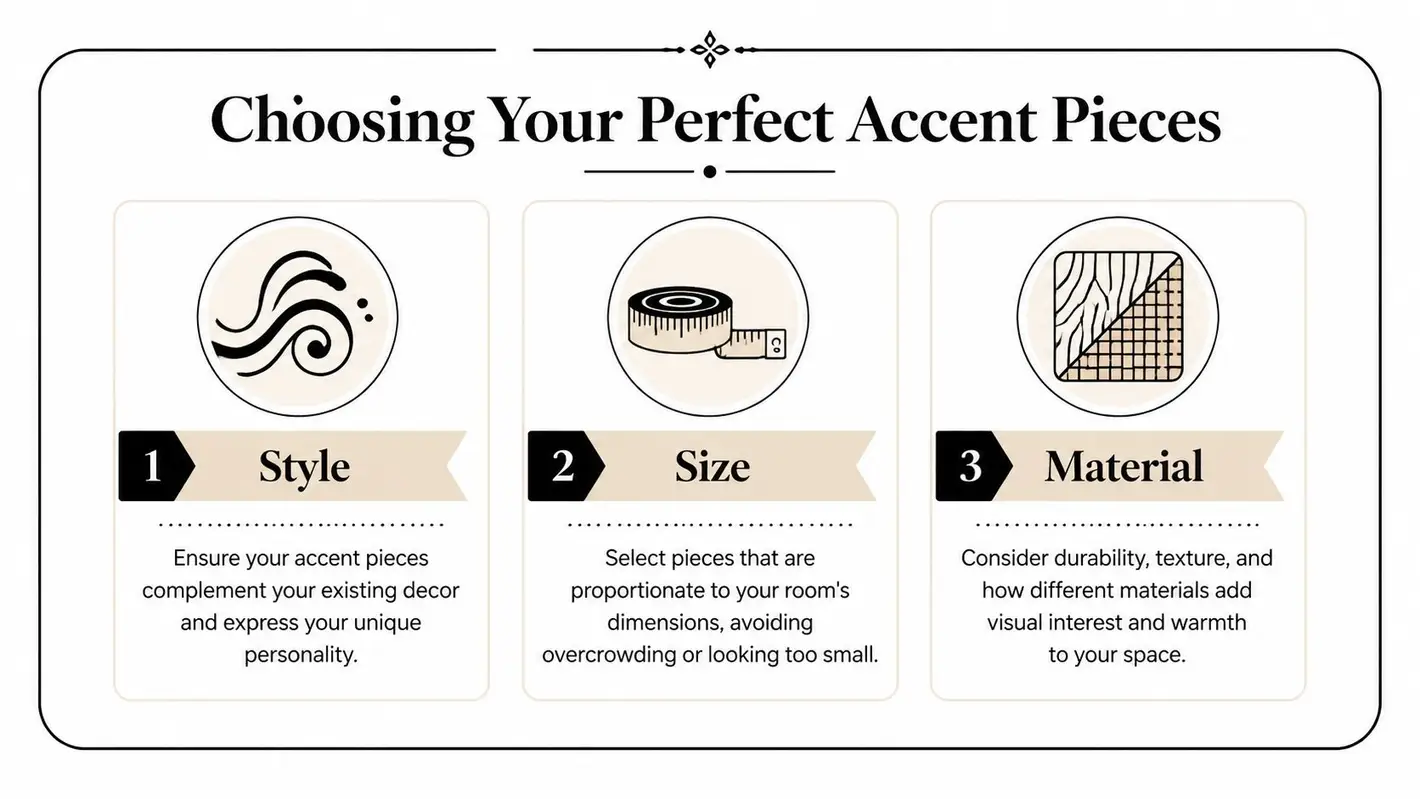
How to Choose Your Perfect Accent Pieces
Buying accent furniture gets easier when you stop asking, “What looks good?” and start asking, “What’s this piece supposed to do?”
That one question keeps you from buying something pretty that doesn’t fit your room, your layout, or your life.
Start with style
Your accent piece should support the room you already have, not fight with it.
If your living room leans modern, look for clean-lined chairs, sleek side tables, and simple shapes. If your room feels more traditional, details like turned legs, rolled arms, or warm wood finishes can fit beautifully. If your style is mixed, use one accent piece to introduce something fresh, such as a curved chair with a classic sofa or a metal-and-wood table in a softer room.
A helpful approach is to choose one of these paths:
- Blend in gently with a similar color family or silhouette
- Add contrast through shape, texture, or finish
- Create a focal point with one standout piece, such as a patterned chair or statement ottoman
If accent seating is on your list, this roundup of accent chairs for living rooms can help you compare styles before you commit.
Then check the size
Many good design ideas often fail on this point. A chair can be beautiful and still be too bulky for the room.
For comfortable flow, standard upholstered accent chairs are typically 36 to 40 inches wide, and they should have at least 30 to 36 inches of walkway around them. Their seat heights should also be within 4 inches of the sofa’s seat height so conversation feels natural and the room looks balanced, according to Houzz’s living room measurement guide.
That measurement matters more than people expect. If a chair sits much higher or lower than the sofa, the whole seating group feels off even if you can’t immediately tell why.
A quick way to judge scale
Stand in the room and note three things before you shop:
- Open walking paths you don’t want to block
- Distance from the sofa to the coffee table or side seating
- Visual weight of the existing pieces
A chunky chair beside a chunky sofa can make the room feel heavy. A slim chair can bring needed breathing room.
Finish with material
Material changes both the mood of the room and the amount of upkeep the piece needs.
A few common examples:
- Upholstered chairs feel softer and more inviting
- Leather or leather-look pieces can appear sleek and easy to wipe down
- Wood accent tables bring warmth and timelessness
- Metal frames add crispness and a lighter visual footprint
- Performance-oriented fabrics are worth considering in busy households
A good accent piece should fit your real life, not just your inspiration photos.
If you have kids, pets, frequent guests, or a room that gets heavy daily use, durability should lead the decision. If the room is more formal, you may have more freedom to prioritize shape or finish first.
A simple comparison chart
| Furniture Type | Best For | Pro Styling Tip |
|---|---|---|
| Accent chair | Filling an empty corner or balancing a sofa | Repeat a color from your rug or pillows so the chair feels connected |
| Ottoman | Adding comfort, flexibility, or hidden storage | Use a tray on top if you want it to double as a casual table |
| Console table | Anchoring a wall or defining an open layout | Style the top with varying heights so it doesn’t look flat |
| Side table | Everyday convenience beside seating | Match the table height closely to the chair or sofa arm |
| Bench | Extra seating in a flexible space | Choose one with an open base if the room feels crowded |
Expert Placement for Awkward Layouts and Empty Corners
A standard rectangular living room is easy to picture. Real rooms rarely behave that way.
You may be dealing with a slanted wall, a pass-through path, a sectional that dominates the room, or a corner that seems too small for anything useful. In such situations, accent furniture becomes less about decoration and more about strategy.
Float pieces when the walls aren’t helping
Many people push every piece against the wall when a room feels awkward. That often makes the layout feel more uncertain, not less.
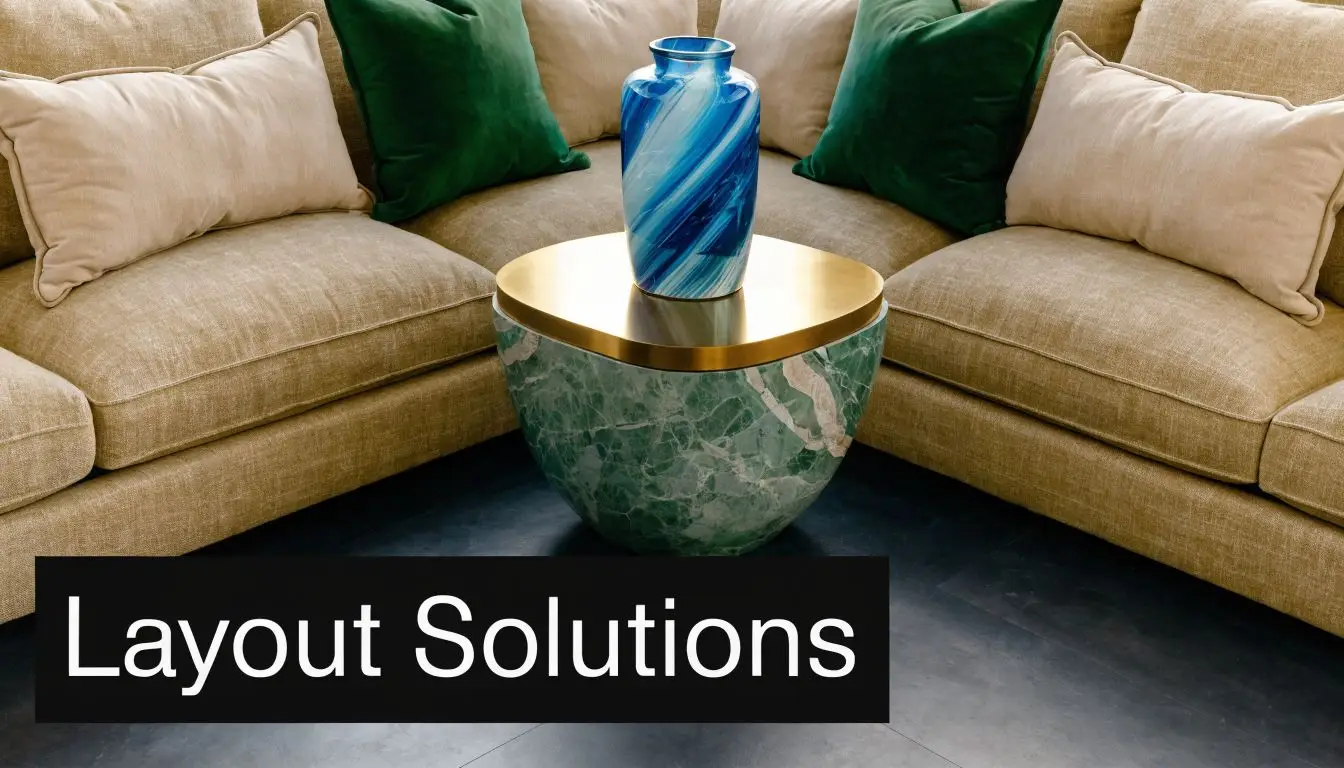
Designers often recommend floating accent furniture away from the walls in angled or unusual rooms. They also suggest using round pieces like circular ottomans or accent tables to soften sharp corners and improve flow, as explained in Bob Mills Furniture’s advice for awkward living room layouts.
That one shift can calm a room down. A chair pulled slightly into the seating area looks intentional. A round ottoman can reduce the boxy feeling that happens when everything else has hard edges.
Three awkward-room fixes that work
Long and narrow rooms
Break the room into zones instead of forcing one oversized seating group.
Try:
- A slim accent chair angled toward the sofa
- A narrow console behind the sofa to define the living area
- A small round side table instead of a bulky square one
This keeps the walkway clearer and gives the eye more than one focal point.
Open-plan layouts
Use accent furniture to outline where the living room begins and ends.
A pair of chairs can frame the conversation area. A console behind a sectional can act like a visual boundary. An ottoman can soften the center without adding visual clutter.
Angled walls and sharp corners
Curves are your friend here.
Look for:
- Round accent tables
- Circular ottomans
- Chairs with softer arms or curved backs
- Lamps and accessories that draw the eye upward instead of into the angle
Rooms with awkward architecture usually don’t need more furniture. They need better-shaped furniture.
How to handle an empty corner
Not every corner needs to be filled, but many corners can become useful with the right scale.
A neglected corner often works best as a small destination. Think reading chair, drink table, lamp, and maybe an ottoman. The key is choosing pieces that feel intentional together instead of leftover.
If you like that layered look, these five ways to use an accent chair offer helpful styling ideas for corners, entry-adjacent spaces, and open seating plans.
Placement mistakes to avoid
A few layout habits cause trouble again and again:
- Blocking a natural path with a chair that sits too far into the room
- Using square pieces everywhere in a room with sharp angles
- Choosing one oversized accent piece instead of two lighter ones
- Treating every corner the same when each one has different traffic and sightlines
The best layouts feel easy to move through. If you have to sidestep furniture or squeeze around a chair, the room is asking for a different solution.
Accent Furniture Solutions for Your Life Stage
The right accent furniture isn’t the same for everyone. A first-time homeowner needs something different from a family with young kids. An empty nester may finally be ready to buy the piece they’ve wanted for years.
That’s why the smartest way to shop is to tie the piece to the season of life you’re in right now.
The new homeowner
A new homeowner often starts with the big essentials first. Sofa. Mattress. Dining table. Then the living room sits there feeling serviceable but unfinished.
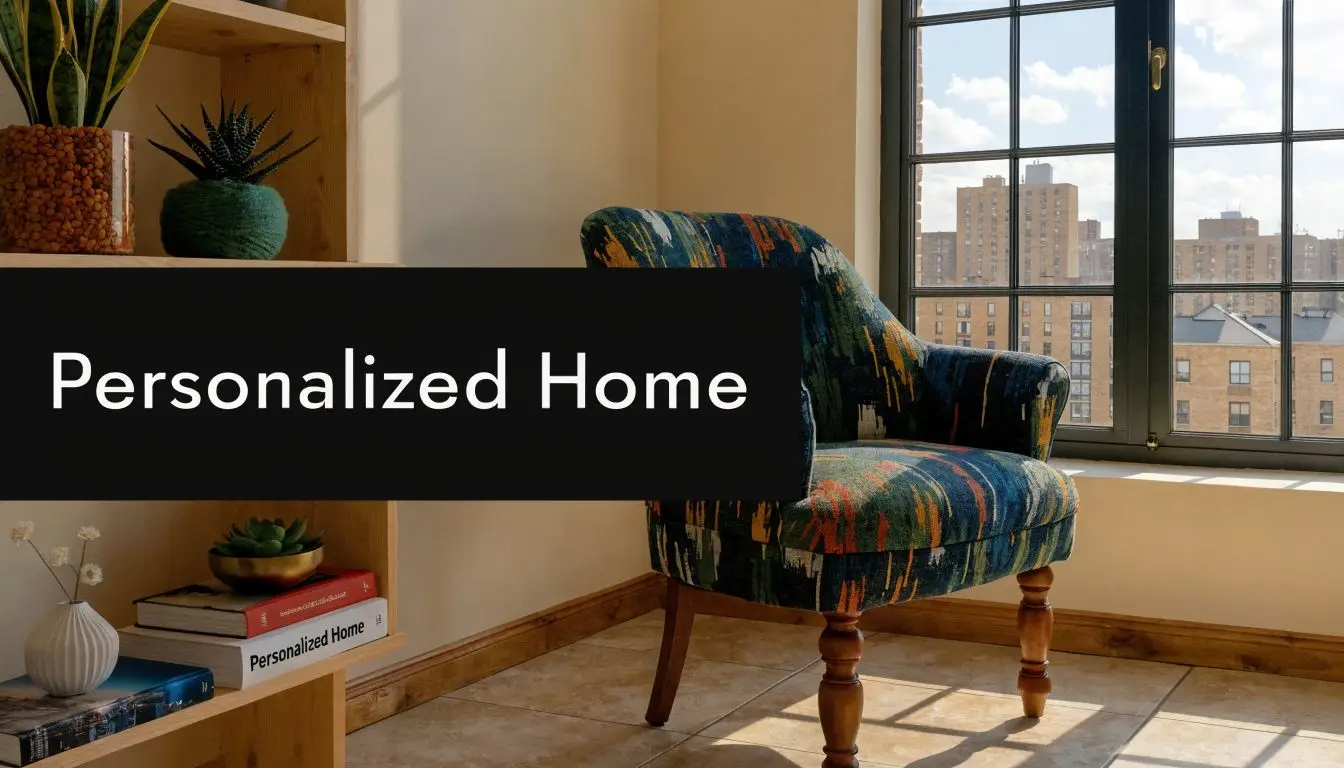
This is a great stage to add foundational accent pieces. A comfortable accent chair, an ottoman, and one smart side table can make the room feel settled without forcing you to furnish every inch at once.
A reading nook is especially useful here. For small living rooms or empty corners, a functional nook can be built with an accent chair under 30 inches wide, a side table that matches the chair’s arm height, and an ottoman, according to this reading nook design guide. That’s a practical recipe when you want one corner to feel finished fast.
If that sounds appealing, this guide to creating the perfect reading nook offers ideas you can adapt to a living room corner.
The budget-conscious family
Families usually need accent furniture to work harder.
A storage ottoman can hide toys or extra throws. A sturdy side table can hold drinks, remotes, and homework papers by evening. An upholstered chair in an easy-care fabric can provide extra seating without making the room feel formal or fragile.
In family homes, the best accent pieces tend to be:
- Multifunctional
- Easy to clean
- Soft-edged or rounded where possible
- Simple enough to move when life changes
This is also the stage where consistency matters more than perfection. You don’t need a room full of statement pieces. You need a few dependable ones that make daily life smoother.
The empty nester or heritage-minded upgrader
This stage often comes with a different question. Not “What do we need?” but “What have we always wanted?”
That might be a leather armchair with real presence. A refined console under artwork you finally love. A pair of accent chairs that turns the living room into a place for conversation again, not just TV.
Some of the best accent furniture purchases happen when people stop buying for chaos and start buying for comfort, beauty, and permanence.
At this stage, details tend to matter more. The hand of the fabric. The curve of the arm. The finish on the wood. One excellent accent piece can enhance the entire room more than several filler items ever could.
Your Partner in Home Design Since 1870
Good furniture advice should leave you feeling clearer, not more overwhelmed. That’s especially true with accent furniture, because these pieces often look simple until you try to choose the right one.
A strong living room comes together when each piece has a purpose. Maybe that purpose is comfort. Maybe it’s balance. Maybe it’s solving a tricky corner or helping the room feel more like home. That’s what makes accent furniture worth the effort.
For more than 150 years, families in Illinois have turned to experienced furniture guidance because good design isn’t only about trends. It’s about listening to how people live and helping them choose pieces that fit beautifully into real homes. That combination of heritage, practical knowledge, and modern convenience is still what makes a trusted furniture partner valuable today.
Your Accent Furniture Questions Answered
How many accent pieces should a living room have?
There isn’t one fixed number. Most rooms do better when you choose a few pieces with clear purpose instead of adding accents everywhere.
A chair, ottoman, and side table may be enough. In another room, a console and two chairs might make more sense. If the room starts feeling crowded or difficult to walk through, edit first and add second.
Should accent furniture match the wood tone or fabric of the main furniture?
Usually, no. It should coordinate rather than match exactly.
Try to repeat one or two details so the room feels connected. That could be warmth in the wood finish, a color from the rug, or a similar shape language. Exact matching can make a room feel flat, while thoughtful variation gives it depth.
What’s the safest accent piece to buy first if I’m nervous about making a mistake?
An ottoman or accent chair is often a smart first move, depending on what your room lacks.
Choose an ottoman if you need flexibility, softness, or storage. Choose an accent chair if the room needs balance, extra seating, or a finished look in an empty area. If you’re unsure, start with the part of the room that feels most unfinished. That usually tells you what kind of piece belongs there.
How do I keep accent furniture from looking random?
Give your accents a shared thread. Repeat a color, shape, material, or style cue at least once somewhere else in the room.
For example, if you add a black metal side table, bring in a lamp or frame with a similar finish. If your accent chair has a warm rust tone, echo that color in a pillow or artwork. Rooms feel pulled together when pieces relate to each other, even loosely.
Ready to bring more comfort and personality into your living room? Explore the curated selection at Short Furniture, where you can shop the collection, browse our latest arrivals online, and find stylish living room sets, accent chairs, ottomans, dining tables, mattresses, and more. With flexible financing options, reliable delivery, and complimentary design consultations, Short Furniture makes it easier to find accent furniture that fits your home, your budget, and your life.