


Stylish Living Room Furniture A Homeowner’s Guide

You stand in your living room, look around, and know something feels off.
Maybe the sofa still works, but it doesn’t feel like you anymore. Maybe the room is crowded, mismatched, or missing that sense of comfort you want at the end of a long day. Maybe you’ve saved screenshots, opened far too many tabs, and now every chair, sectional, and coffee table starts to blur together.
That’s a common place to start.
Over the years, families have come in with the same question in different words. They want stylish living room furniture, but they also want a room that lives well. They want seating that holds up to kids, pets, guests, movie nights, and lazy Sunday afternoons. They want beauty, but they need practicality.
A well-designed living room isn’t built by chasing every trend. It comes from making a few sound choices, in the right order, with a clear sense of how you use the space.
That’s where experience matters. A family-run furniture store that’s been serving Illinois since 1870 sees patterns clearly. People need help narrowing choices, comparing materials, planning layouts, and buying with confidence. They also need options that fit real life, like reliable delivery, flexible financing, and guidance before they commit.
Your Journey to a More Stylish Living Room Starts Here
A stylish room rarely starts with a dramatic makeover. More often, it starts with one honest moment.
A couple moves into a new home and realizes their old loveseat is too small for the room. A growing family notices there’s nowhere comfortable for everyone to sit together. An empty nester wants to replace worn furniture with something that feels fresh, timeless, and easier to live with. Different households, same problem. The room no longer fits the life happening inside it.
Style can feel mysterious when you’re staring at screens full of options. One sofa looks too formal. Another looks comfortable but bulky. A chair you love online seems impossible to picture next to your coffee table, rug, and TV console.
Practical rule: Start with how you want the room to feel, not with the first furniture piece you see.
Three common desires for a living room are:
- Comfort that lasts so the room gets used every day
- A pulled-together look that feels intentional, not random
- A layout that works for conversation, traffic flow, and rest
That’s why the smartest approach is simple. First, define what “stylish” means for your home. Next, choose materials and construction that match your lifestyle. Then measure carefully and arrange the room so it feels open, balanced, and easy to use.
Along the way, living room sets, accent chairs, ottomans, media consoles, rugs, and even lighting all play a role. If you’re updating more than one space, the same thinking can help with dining tables, bedroom furniture, and mattresses too. Good design carries through the home.
The best part is that you don’t need to figure it all out in one afternoon. You just need a clear path, a steady eye, and furniture that earns its place.
What Makes Living Room Furniture Stylish in 2026
Style isn’t a single look. It’s the meeting point between shape, function, and personality.
A stylish sofa isn’t stylish only because it photographs well. It’s stylish when its scale fits the room, its fabric suits your home, and its design works with the rest of your furnishings. That’s why some rooms feel effortless and others feel pieced together, even when every item is attractive on its own.
A major design direction continues to center on vintage influence. In 2024, 81% of interior designers reported sourcing vintage furniture, and this heritage-inspired approach influences over 70% of modern designs, helping drive projected 2025 to 2026 trends toward retro-modern mixes and curved silhouettes, according to Elle Decor’s furniture trends coverage.
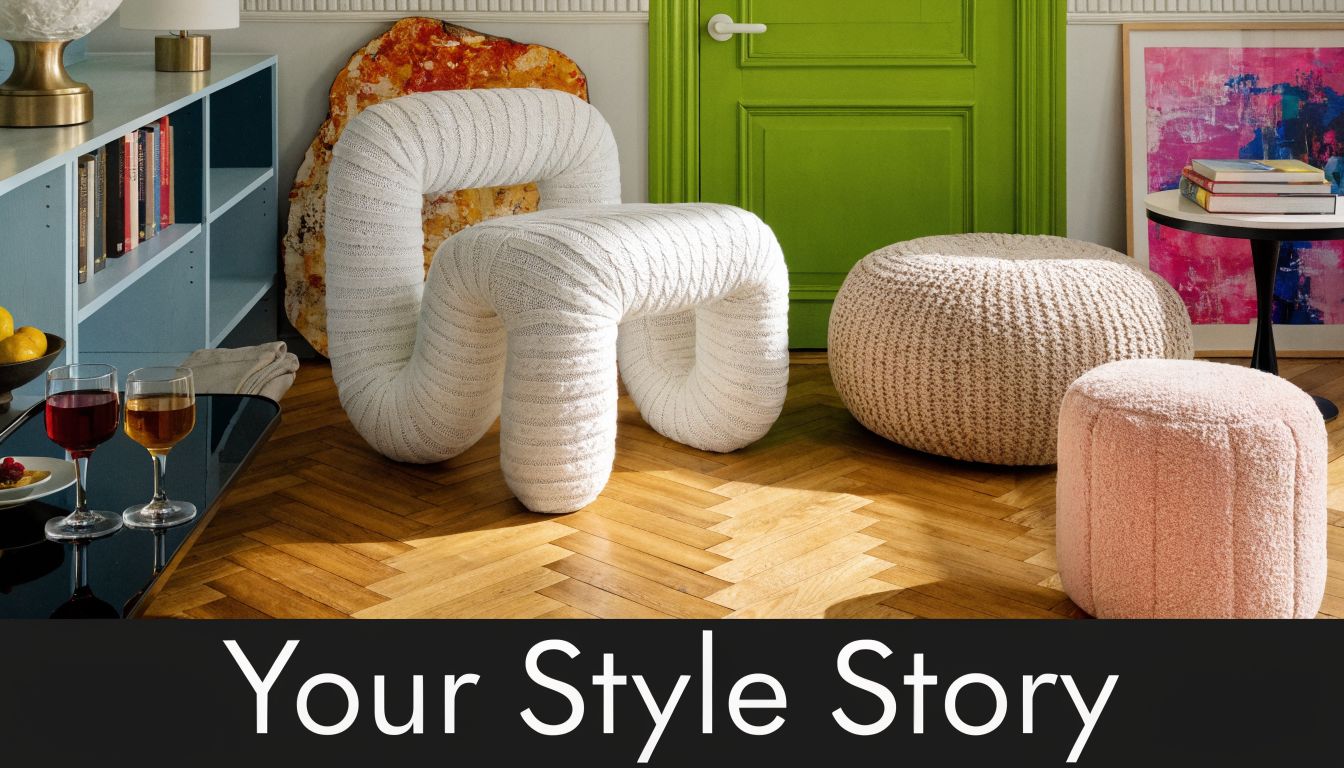
Style is what you can recognize at a glance
When clients struggle to name their style, I ask them to react to shapes first.
Do you like straight arms or rounded ones? Do you lean toward slim wood legs or upholstered bases? Do you prefer airy pieces you can see under, or substantial seating that feels grounded? Those answers reveal more than style labels ever do.
Here are a few of the looks many homeowners respond to.
Mid-century modern
This look stays popular because it balances warmth and restraint.
- Clean lines keep the room from feeling fussy
- Tapered legs and lighter visual weight help rooms feel open
- Wood tones and organic forms add warmth without heaviness
- Retro-inspired chairs and curved accents mix easily with newer pieces
If you like rooms that feel collected rather than decorated, this style often fits beautifully.
Contemporary
Contemporary rooms usually feel calmer and more edited.
- Simple silhouettes create a crisp look
- Soft neutrals or deeper solid tones keep the palette cohesive
- Metal, glass, or sculptural details add polish
- Modular sectionals and low-profile sofas work well in open layouts
This style suits homeowners who want a fresh space without a lot of ornament.
Modern farmhouse
People often confuse farmhouse with overly rustic furniture. Good modern farmhouse style is cleaner than that.
- Reclaimed or textured wood brings warmth
- Comfortable upholstery keeps the room relaxed
- Soft shapes and familiar finishes make the space feel welcoming
- Coffee tables, consoles, and end tables with visible grain ground the room
This style works especially well when you want the room to feel lived in, not staged.
Transitional
Transitional style is often the safest answer for people who like a little of everything.
It blends traditional comfort with cleaner modern lines. Think a well-proportioned sofa, a classic accent chair, a textured area rug, and a coffee table with simple form. Nothing fights for attention, and that’s the point.
A stylish room usually has one clear direction and one or two layers of contrast. Not five different ideas competing at once.
How to choose your direction
If you’re still unsure, use this quick filter:
| If you want the room to feel… | Look for… |
|---|---|
| Relaxed and timeless | Transitional sofas, textured rugs, warm woods |
| Sleek and open | Contemporary sectionals, sculptural chairs, simple tables |
| Collected and character-rich | Mid-century silhouettes, vintage-inspired accents |
| Cozy and welcoming | Farmhouse wood finishes, plush upholstery, soft curves |
Once you know your direction, shopping gets easier. You can browse living room sets, sofas, accent chairs, and cocktail tables with a sharper eye and skip pieces that don’t support the look you want. If you’re ready to act on that clarity, shop the collection and browse the latest arrivals online with purpose instead of guesswork.
Choosing Materials and Colors That Reflect Your Style
The frame gives furniture its structure, but materials and color give it its voice.
Two sofas can have nearly the same shape and feel completely different because of upholstery. A wood coffee table can look refined, rustic, or contemporary depending on finish and grain. That’s why material selection matters so much in stylish living room furniture. It turns a basic silhouette into a statement, or softens a bold shape into something easier to live with.
Sustainability also plays a larger role in how people shop now. A global survey found that 68% of consumers prioritize sustainable furniture, and projections for 2025 to 2026 show 100% of expert predictions highlighting eco-friendly materials like reclaimed wood and bamboo, according to Decorilla’s living room trends report.
Upholstery changes both mood and maintenance
Fabric isn’t only about color. It changes how formal, relaxed, durable, or inviting a piece feels.
Consider how each option behaves in daily life:
- Leather brings a tailored look and usually fits traditional, modern, and transitional spaces well. It’s a strong choice for people who want easy wipe-clean maintenance and a more refined feel.
- Velvet adds depth and softness. It can make a simple chair look richer and can warm up clean-lined rooms beautifully.
- Linen-look fabrics feel casual and breathable. They’re especially appealing in light, airy rooms with a relaxed tone.
- Performance fabrics are often the practical answer for busy households. They help bridge the gap between style and everyday use.
If children, pets, or frequent guests are part of the picture, fabric choice should support your life, not complicate it.
Wood, metal, and mixed finishes
Hard surfaces do a lot of quiet work in a living room.
A reclaimed wood coffee table can make upholstered seating feel more grounded. Metal legs on a side table can sharpen a softer room. A painted media console can lighten a space that already has a lot of wood in it.
Try this approach:
- Use wood for warmth in rooms that feel stark
- Use metal for contrast when everything feels soft or similar
- Use mixed materials when the room needs depth without more color
Color often works better when it starts with the larger pieces
Many people make color harder than it needs to be. They start with wall art or throw pillows and then struggle to find upholstery that matches. It’s easier to begin with the larger anchor pieces.
For most homes, these choices work well:
- Neutral upholstery if you like to change rugs, pillows, or seasonal accents
- Earthy tones if you want warmth without a loud statement
- Deep greens, browns, clay tones, and soft creams if your goal is a calm, grounded room
- One accent color only so the room doesn’t feel scattered
If you want a room to stay stylish longer, choose your biggest pieces in colors you can live with year-round.
Match materials to your real habits
A beautiful room still has to function on a Tuesday night.
If you host often, an ottoman with a tray may serve you better than a delicate coffee table. If you read in the living room every evening, an accent chair with supportive upholstery matters more than a trendy bench. If your room sees heavy family use, stain-conscious fabrics and forgiving finishes are smarter than high-maintenance showpieces.
Many shoppers pause, and rightly so, because material decisions can feel permanent. That’s why it helps to compare upholstery samples, wood finishes, and room photos before you buy. Browse our latest arrivals online to see how different materials shape the look of sofas, recliners, occasional tables, and complete living room sets.
How to Identify High-Quality Furniture That Lasts
The quickest way to waste money on living room furniture is to buy only what you can see.
Good furniture earns its value underneath the fabric, inside the cushion, and beneath the seat deck. If a sofa looks handsome on day one but sags, creaks, or loosens after a short stretch of everyday use, it wasn’t a bargain. It was a delay.
High-quality living room furniture with kiln-dried hardwood frames and 8-way hand-tied springs can last 15 to 20 years, while budget models may last 5 to 7 years. The source also notes that kiln-drying to 6 to 8% moisture content is especially important in climates like Illinois to prevent warping, according to Gabberts’ living room furniture buying guide.

Start with the frame
If the frame is weak, the rest doesn’t matter much.
Look for kiln-dried hardwood in sofas, loveseats, and sectionals. Kiln-drying reduces moisture in the wood so the frame is less likely to twist or warp over time. That matters in homes that see seasonal humidity changes.
Lower-grade construction often relies more heavily on weaker materials that may not hold up under years of regular use.
Then check the support system
This is one of the least glamorous parts of shopping, and one of the most important.
Common support systems include:
- 8-way hand-tied springs, known for balanced support and long-term comfort
- Sinuous wire systems, which can also perform well when properly built
- Lighter budget systems, which may feel comfortable at first but lose resilience sooner
The right support system helps cushions stay comfortable and the sofa sit evenly over time.
Sit on a sofa the way you’d actually use it at home. Don’t perch on the edge for five seconds and call it tested.
Cushion quality tells you a lot
Cushions reveal whether the piece is built for daily living or quick display appeal.
Look for cushions that feel supportive without collapsing. Ask whether they’re designed to hold their shape and whether the seat and back construction can be maintained over time. High-resiliency materials generally perform better than low-density fills that flatten quickly.
A stylish sofa should still look good after repeated use. That’s where craftsmanship shows.
Small signs that separate better furniture from disposable furniture
Use this checklist when comparing pieces:
| What to inspect | What you want to see |
|---|---|
| Frame | Kiln-dried hardwood |
| Seat support | 8-way hand-tied or well-built sinuous support |
| Cushions | Supportive, shape-holding construction |
| Upholstery fit | Smooth tailoring, neat seams, aligned pattern |
| Motion pieces | Sturdy operation that feels controlled, not loose |
If you’d like a deeper buying checklist before comparing sofas online, what to look for when buying a sofa is a useful starting point.
This is also where a retailer’s curation matters. Short Furniture offers living room furniture from brands selected for style, comfort, and construction, along with financing, delivery, and design help that can make a quality purchase easier to manage. If lasting value matters to you, shop the collection with the inside story in mind, not just the showroom look.
Measure Twice Buy Once A Practical Guide
Nothing drains the excitement out of new furniture faster than realizing it won’t fit through the front door or overwhelms the room once it arrives.
This happens more often than people expect, especially with sectionals, reclining sofas, and deep-seat upholstery. The solution isn’t complicated. It just requires a little discipline before you click “add to cart.”
What to measure before you shop
Start with the room itself.
Write down:
- Room length and width
- Window placement
- Door swings
- Fireplace, vents, and floor outlets
- Where the TV or main focal point sits
Then measure the access path.
That means the front door, hallway width, stair turns, entry corners, elevator if applicable, and any narrow interior doors the furniture must pass through.
Think in floor space, not just furniture size
A sofa that technically fits your wall may still feel too large for the room.
A deep, overstuffed sectional can crowd a modest living room even when the tape measure says yes. On the other hand, a larger sofa in a roomy setting can make the room feel settled and intentional. Scale is visual as much as mathematical.
Before you buy, mark the furniture footprint on the floor with painter’s tape. It’s one of the easiest ways to spot a mistake early.
Keep these practical notes in mind
When comparing sofas, loveseats, chairs, and tables, ask yourself:
- Will the piece block a doorway or natural path?
- Will it leave enough room for end tables or lamps?
- Does the arm height work with nearby windows?
- Will reclining or motion features need extra clearance?
- Does the piece match the ceiling height and visual weight of the room?
A room can feel stylish and spacious even with comfortable, substantial furniture, but only if the proportions are right.
A simple measuring routine that saves trouble
Here’s a reliable sequence:
| Step | What to do |
|---|---|
| First | Measure the room |
| Next | Measure every entry point |
| Then | Compare product dimensions carefully |
| After that | Tape out the footprint on the floor |
| Last | Double-check delivery access |
If you’d like a more detailed walkthrough, how to measure furniture can help you avoid the most common fit issues.
This is one of those moments where planning pays off. A careful measuring pass today can save a return, a room reset, and a lot of disappointment later. If you want help getting it right the first time, apply for a complimentary design consultation before you order so every piece fits the room and the route to it.
Arranging Furniture for Optimal Flow and Conversation
A beautiful room can still feel awkward if the layout is wrong.
People usually notice the problem without knowing how to name it. They bump into a coffee table corner. The chairs feel too far from the sofa to talk comfortably. The walkway cuts right through the seating area. The room looks furnished, but it doesn’t function well.
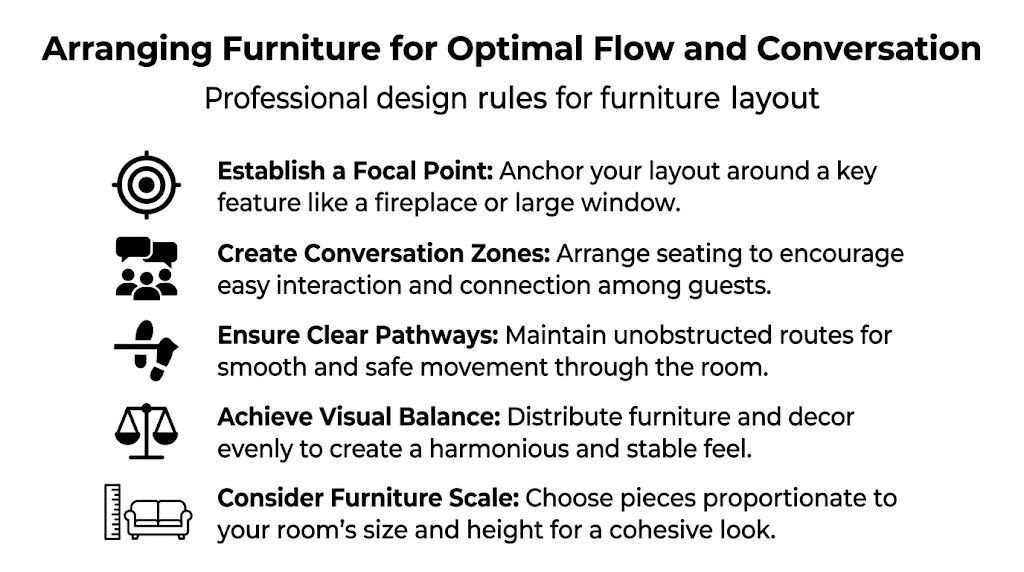
Professional layout rules help because they remove guesswork. Interior design guidelines recommend 16 to 20 inches between a sofa and coffee table and 32 to 40 inches for main walkways. The same source notes that 68% of homeowners report challenges with irregular room shapes, which is one reason layout guidance matters so much, according to Snaidero America’s ideal living room size guide.
Start with the focal point
Every strong layout has an anchor.
That anchor may be a fireplace, a large window, a media console, or a favorite piece of art. Once you know what the room should face, furniture placement gets easier. The sofa usually takes the lead, and the remaining pieces support it.
If the room has two focal points, such as a TV and fireplace, you may need to compromise with angled seating or a more flexible arrangement.
Use spacing that feels natural
These measurements matter because they support the way people move and sit.
- Leave 16 to 20 inches between the sofa and coffee table so people can reach the table comfortably without feeling cramped
- Keep main walkways at 32 to 40 inches so movement through the room feels easy
- Group seats close enough for conversation rather than pushing every piece against the wall
Rooms don’t feel larger when all the furniture hugs the perimeter. They often just feel disconnected.
Pulling furniture slightly inward can make a room feel more intentional and more welcoming.
Create conversation, not just seating
A common mistake is treating every seat like it should face the television first.
If you want a room people enjoy sitting in, think about how they’ll talk. A sofa paired with two chairs, an ottoman, and a coffee table often creates a better social layout than one oversized sectional swallowing the whole room. End tables and lamps can help define each seat as part of the grouping.
For family rooms, flexibility matters too. A sectional can work beautifully, especially when paired with a movable ottoman or smaller accent chair that lightens the composition.
Awkward rooms need strategy, not panic
L-shaped rooms, offset windows, corner fireplaces, and multiple doorways can frustrate even confident decorators.
Here are a few methods that help:
- Float furniture away from the walls to create a clear zone inside the room
- Use an area rug to define the seating group
- Choose accessory pieces that match the scale of the sofa
- Angle a chair or pair of chairs when the room has competing sightlines
- Use consoles, benches, or narrow tables to bridge open areas without closing them off
If your space is especially tricky, living room arrangement ideas can help you visualize options before you commit.
A quick layout reference
| Layout issue | Practical fix |
|---|---|
| Coffee table feels too close | Pull it back within the recommended range |
| Room feels crowded | Open up the main walkway |
| Conversation feels strained | Move chairs nearer to the sofa |
| Open room feels undefined | Anchor seating with a rug |
| Odd angles create tension | Float or angle key pieces instead of forcing symmetry |
When the layout works, stylish living room furniture looks better automatically. The sofa reads as intentional. The chairs feel connected. The room breathes.
That’s also why design consultations are so useful. A second set of trained eyes can solve spacing, flow, and awkward-angle problems before delivery day. If your room has been hard to crack, browse our latest arrivals online, then pair your product search with layout help so style and function come together at once.
Budgeting for Your New Living Room with Confidence
Consumers don’t need help understanding that furniture costs money. They need help deciding where to spend, where to save, and how to buy without regret.
A living room budget works best when it reflects use, not just appearance. If one piece will support daily family life for years, that piece deserves more of the budget than an occasional accent item.
Spend more on the anchor pieces
In most living rooms, the anchor piece is the sofa or sectional.
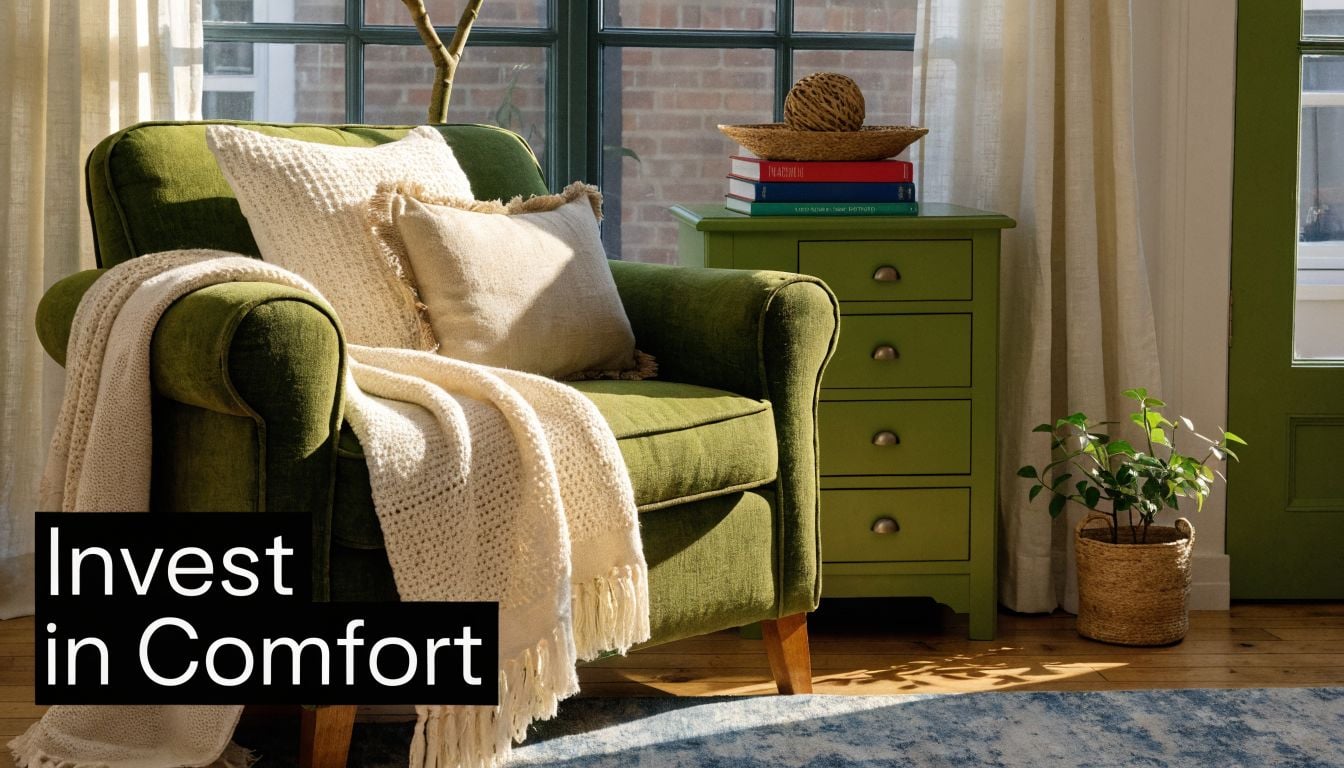
That’s where people sit every day. It handles the most wear, influences the room’s style, and affects comfort more than almost anything else. If the budget is tight, it often makes sense to invest there first and choose simpler side tables, accent pieces, or decor around it.
Recliners, motion seating, and performance-upholstered chairs can also be worthy investments when comfort and durability are top priorities.
Save thoughtfully, not randomly
Cutting costs works best when you do it on lower-risk pieces.
You may decide to keep an existing rug for a while, use a simpler cocktail table, or add accent pillows later. That’s different from buying a poorly made sofa you’ll want to replace too soon.
A practical budget often looks like this:
- Prioritize seating first
- Choose tables and accents second
- Layer in lamps, art, and decor over time
- Leave room for delivery and setup needs
Financing can be a planning tool
For many households, financing isn’t about buying more than they should. It’s about buying the right quality on a manageable timeline.
That can be especially helpful when you’re furnishing a whole room at once, moving into a new home, or replacing multiple worn pieces together. Instead of settling for temporary choices, financing can help you select furniture that fits your home and lasts longer.
If you’re weighing cost versus construction, why furniture is so expensive gives useful context on what drives price differences.
A smart furniture budget doesn’t ask, “What’s cheapest today?” It asks, “What will still feel like a good decision later?”
A calm way to make the numbers feel manageable
Use this order when budgeting:
| Priority level | Furniture category |
|---|---|
| Highest | Sofa, sectional, or primary seating |
| Medium | Accent chairs, recliners, ottomans |
| Flexible | Coffee tables, end tables, consoles |
| Add later | Decorative accents, pillows, throws |
This approach keeps the room usable from the start.
If you’re ready to move forward, flexible financing options can make a full-room update more realistic without forcing rushed compromises. Apply for financing today, compare your options clearly, and build the room in the right order instead of the cheapest order.
Create a Home You Love with Short Furniture
A stylish living room doesn’t come from luck. It comes from a series of thoughtful choices.
Choose a style direction that feels like you. Select materials and colors that support the way you live. Look beyond surface appearance and pay attention to construction. Measure carefully before you buy. Arrange the room so people can move through it easily and sit together comfortably.
Those steps turn a confusing shopping process into a manageable one.
Some rooms are straightforward. Others need a little more problem-solving. A key challenge for 68% of homeowners is styling awkward living room layouts, and solutions like the 2/3 couch rule for related furniture and angling seating at 45 degrees can help optimize tricky spaces, according to Bob Mills Furniture’s guide to awkward living room layouts.
That matters because style isn’t only about the furniture itself. It’s about how the furniture works together in the room you have.
Keep the process simple
When homeowners get stuck, it’s usually in one of these places:
- Too many choices and no clear style direction
- Fear of making an expensive mistake
- Awkward room shapes that don’t follow the usual rules
- Uncertainty about quality, delivery, or budget
Each one is solvable with a little structure and the right support.
What to do next
If you’re ready to improve your living room, take the next practical step:
- Browse living room furniture online and save the pieces that match your style
- Compare construction and materials before narrowing your shortlist
- Use complimentary design consultations if your layout is tricky
- Ask about reliable delivery so the final step feels easy, not stressful
- Explore financing if you want to buy for lasting quality now
A home should support your routines and reflect your taste. It should feel comfortable when the house is full and peaceful when the day is done. With the right sofa, chairs, tables, and layout, your living room can do both.
From our family to yours, that’s a worthwhile project.
Ready to create a living room that feels stylish, comfortable, and built for real life? Browse Short Furniture online to shop living room sets, sofas, accent chairs, tables, mattresses, and home decor, then take the next step with flexible financing, reliable delivery, and a complimentary design consultation.