


Mattress Topper for Hot Sleepers: Ultimate Cooling Guide

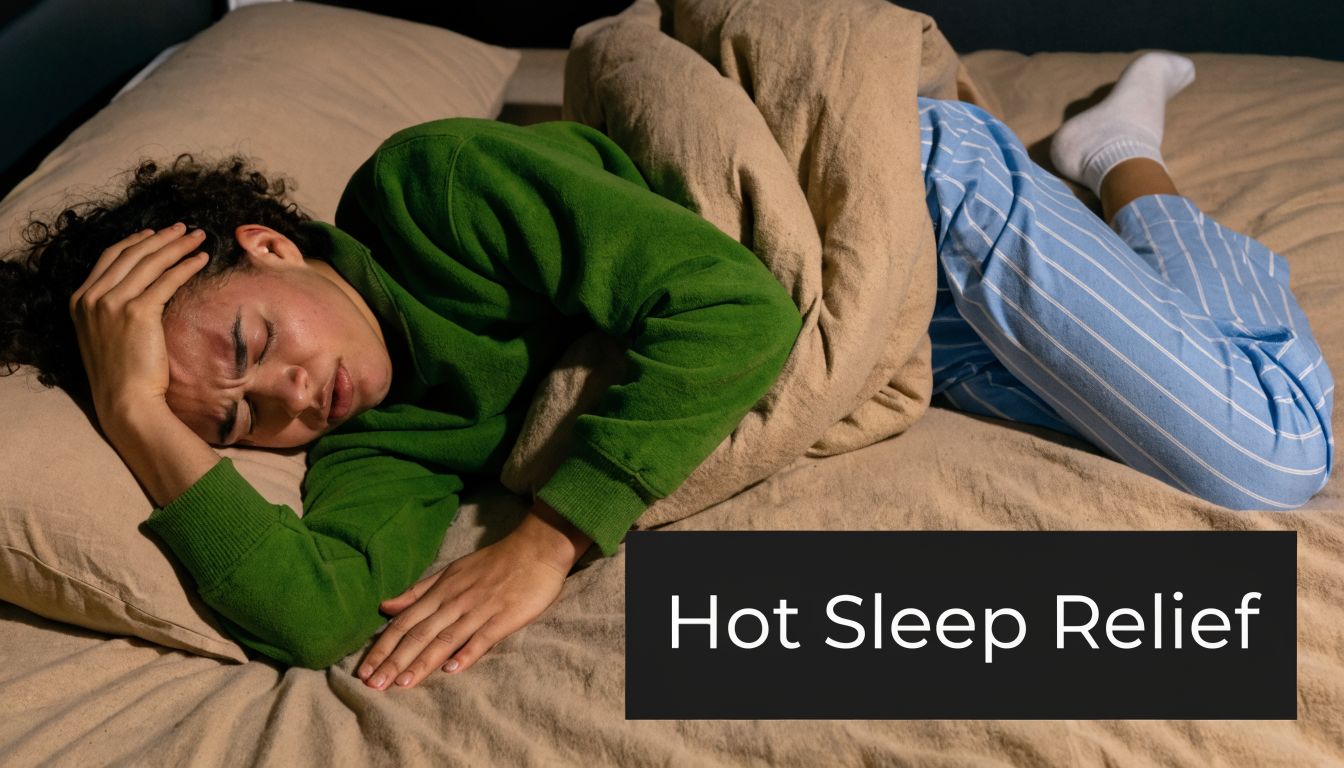
You kick off the sheets. Then you pull them back up because the room isn’t cold, just your body feels too warm. You flip the pillow, shift to the other side of the bed, and try again. A few hours later, you’re awake for the same reason.
That pattern is more common than many people realize. According to a 2023 Gallup-linked report on overheating during sleep, approximately 14% of U.S. adults regularly experience overheating when trying to sleep, and women report it nearly twice as often as men, at 18% compared to 10%.
If that sounds familiar, a mattress topper for hot sleepers can be one of the simplest ways to change how your bed feels without replacing your whole mattress. The right topper can add airflow, reduce heat buildup, and make an otherwise decent mattress feel far more comfortable night after night.
Tired of Waking Up Hot? Your Guide to Cooler Sleep Starts Here
It’s 2:13 a.m. You are not awake because the mattress feels lumpy or worn out. You are awake because your body feels trapped in heat, and the bed that seemed fine at bedtime now feels stuffy.
A mattress topper can be a practical first fix when your current mattress still has good support but sleeps too warm. It changes the surface you lie on every night, which means it can alter how much cushioning, airflow, and heat retention you feel without asking you to replace the whole bed.
That matters for long-term ownership. The best topper for a hot sleeper is not just the one with the coolest label or the most impressive material list. It is the one that works with the mattress you already own, fits the way you sleep, and feels manageable to care for a year from now, not just on the first night.
Many toppers fall in the 2 to 4 inch range, but thickness alone does not tell you whether a topper will sleep cooler or feel better. A thinner topper can still trap heat if the material is dense. A thicker topper can feel comfortable for one sleeper and smothering for another. Material choice usually matters more than the number on the tag.
You can think of a topper like the tires on a car. The vehicle underneath still matters, but the part touching the road changes a great deal about the ride. In the same way, the layer touching your body often decides whether your bed feels breathable, springy, plush, or overly warm.
A few signs point to the sleep surface, not just the room, as the problem:
- You wake up warm even when the bedroom temperature feels reasonable
- Your mattress seems to hold heat after you have been in one spot for a while
- You still like the support of your current bed
- You want a cooler feel without replacing a mattress that is otherwise in good shape
That last point is one we hear often in our store.
After more than 150 years of helping Illinois families furnish their homes, we have seen the same pattern again and again. Shoppers do their homework online, read about gel, copper, latex, and cooling covers, then walk in unsure which features will make a difference on their own mattress. A topper can be a smart solution, but only if it matches what is already on the bed. A soft foam mattress and a firm innerspring do not respond to the same topper in the same way.
Your whole sleep setup plays a role too. Room temperature, sheets, pillows, and mattress materials all work together, which is why a sleep sanctuary with the right lighting, temperature, mattress, and bedding often solves more than one sleep complaint at once.
A hot bed does not always mean you need a new mattress. Sometimes you need a better top layer, and the confidence that comes from trying the feel in person before you bring it home.
The Science of a Cool Night's Sleep
You fall asleep comfortable, then wake up at 2 a.m. searching for the cool side of the bed again. In many cases, the room is not the whole problem. Heat is getting trapped close to your body, right where the mattress topper should be helping.
Cooling toppers address that problem in two different ways. Some use materials that let heat and moisture escape more easily. Others use powered systems that actively change the temperature at the bed surface.
That distinction matters over months and years of ownership. One option behaves like bedding. The other behaves more like a small appliance with parts, setup, and ongoing care.
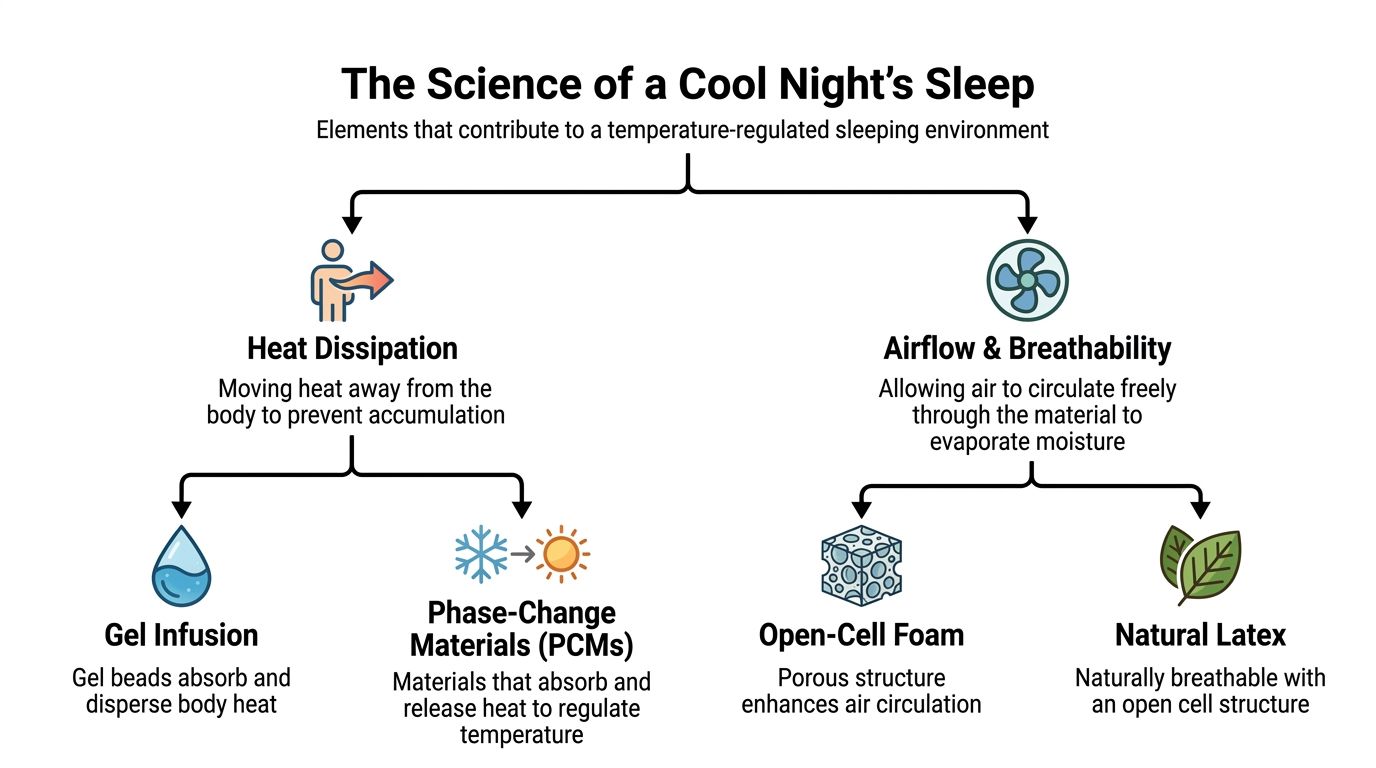
Passive cooling works through the material itself
Passive cooling means the topper is made to reduce heat buildup without plugs, hoses, or motors. As Consumer Reports explains in its guide to mattress cooling pads, these products often use material features such as copper infusions or open-cell construction to help disperse heat.
A good way to understand passive cooling is to compare it to breathable clothing. A lightweight shirt does not lower the outdoor temperature, but it can help your body release heat instead of holding it in. A passive topper does the same job at the bed.
Common terms on product tags usually point to one of these ideas:
- Open-cell foam has a less dense internal structure, so air can move through it more easily than traditional dense foam.
- Gel-infused foam is designed to spread warmth across a wider area so one spot does not heat up as quickly.
- Phase-change fabric is made to absorb and release heat as your temperature shifts through the night.
- Latex tends to feel more breathable and less close-fitting than many memory foams.
Passive cooling is often the easier long-term fit for shoppers who want less fuss. There is no power source to manage, no extra components beside the bed, and usually less to maintain beyond normal topper care.
Active cooling changes the bed temperature with hardware
Active cooling uses a powered system to cool or regulate the sleep surface. That may mean air moving through the pad or temperature-controlled water circulating through channels.
The experience is different in a practical sense. You are not only choosing a feel. You are choosing a system that needs space, setup, and occasional upkeep. Some sleepers love that extra control, especially if they run very hot every night. Others try one and realize they wanted simplicity more than fine-tuned temperature settings.
Here is the easiest way to separate the two:
| Type | How it cools | What ownership feels like |
|---|---|---|
| Passive topper | Uses breathable or heat-dissipating materials | Simple, no power cord, lower fuss |
| Active system | Uses powered airflow or water-based temperature regulation | More control, more setup, more maintenance |
Why “cooling” can mean very different things
This is the point that confuses many shoppers online. A topper can be sold as cooling and still feel very different from another cooling topper.
Some products are built to stop heat from collecting. Others are built to create a cooler surface feel. Those are not the same result, and your current mattress changes the outcome. A dense memory foam bed under the topper may still store warmth. A breathable innerspring or hybrid may let the same topper perform much better.
Your bedding matters too. A cooling topper under thick synthetic sheets and a non-breathable protector is like opening a window, then keeping the storm shutters closed. The top layer may be doing its job, but the rest of the bed is blocking the benefit.
That is why we always encourage shoppers to evaluate the whole setup, not just the topper label. If you want to improve the full sleep environment, our guide to creating a sleep sanctuary with lighting, temperature, mattress, and bedding working together can help you spot what else may be adding heat.
For long-term satisfaction, the best cooling choice is not merely the coldest-sounding material. It is the one that fits your mattress, your comfort preference, and the level of care you want to live with after the excitement of buying it wears off.
Matching the Material to Your Sleep Style
Once you know the difference between passive and active cooling, the next question is more personal. What kind of surface do you want to sleep on?
Some hot sleepers want contouring pressure relief. Others want a lifted, breathable feel with less sink. Those are very different experiences, even when both products are labeled “cooling.”
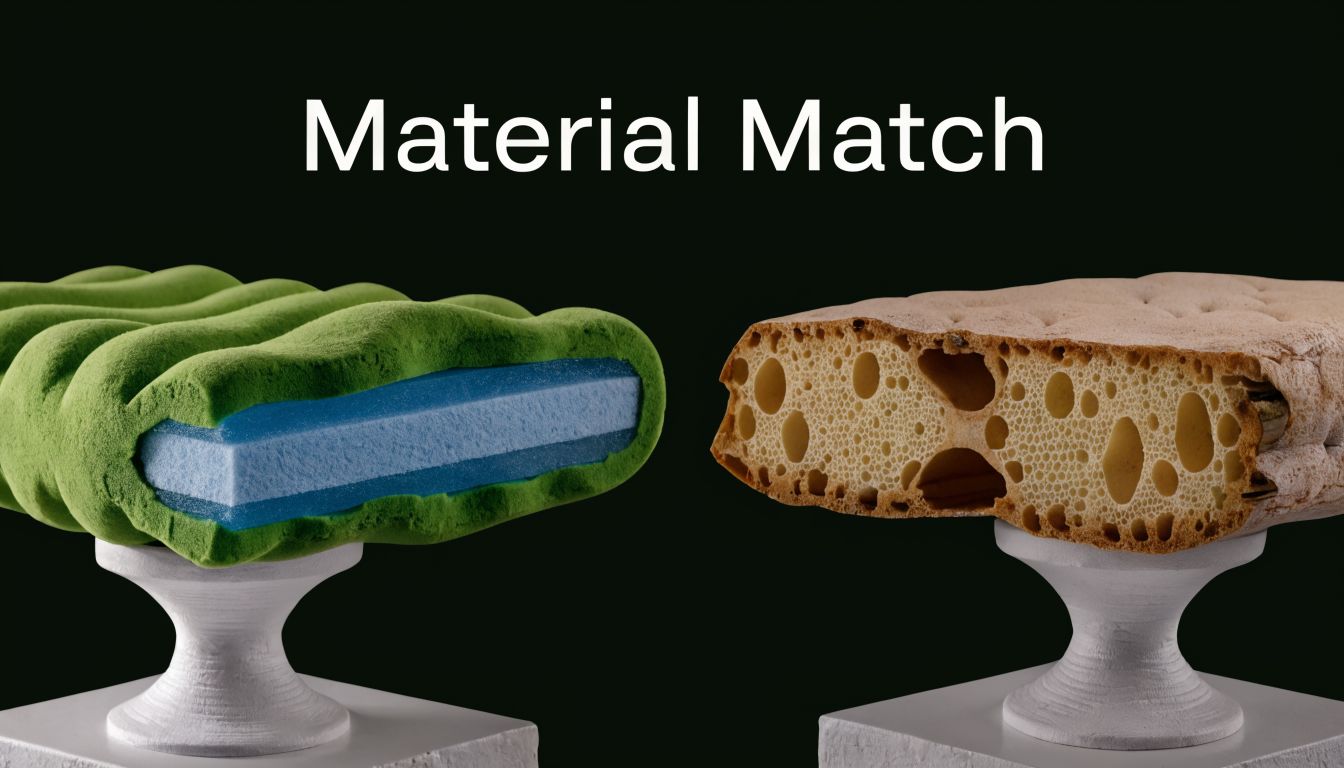
Gel memory foam for pressure relief
Gel memory foam is popular because it softens a firm mattress and cushions shoulders, hips, and joints. It has that classic body-conforming feel many sleepers describe as a gentle hug.
For a side sleeper on a too-firm bed, that can feel wonderful. For a very hot sleeper, it can be a mixed bag. The gel may help with heat management, but the foam still contours closely around the body.
This is often a strong fit for people who say:
- My mattress is too firm on my shoulders or hips
- I like a cradled feel
- I want comfort first, with some cooling benefit added in
Latex for airflow and a lighter feel
Latex usually feels more buoyant than memory foam. Instead of sinking in quite far, you rest more on top of it.
That matters for hot sleepers because less sink often means better airflow around the body. Latex is a smart choice for people who dislike that “stuck in the bed” sensation and want a cooler, springier surface.
It often suits:
- Back sleepers who want stable support
- Combination sleepers who change positions often
- Hot sleepers who prioritize breathability over deep contouring
Copper-infused foam for a middle ground
Copper-infused foam tries to bridge the gap between contouring comfort and better heat dissipation. According to Sleep Doctor’s cooling topper review page, copper's thermal conductivity properties work to dissipate heat away from the sleeper's body.
That same source also notes an important tradeoff. Copper-infused foam still retains more heat than latex-based alternatives, while latex offers greater breathability through its open-cell structure.
Here’s the plain-English version:
| Material | Feel | Cooling profile | Best for |
|---|---|---|---|
| Gel memory foam | Close contouring | Moderate | Pressure relief seekers |
| Latex | Buoyant, responsive | Strong breathability | Hot sleepers who want airflow |
| Copper-infused foam | Contouring with some thermal help | Better than standard foam, less breathable than latex | Sleepers who want foam comfort with some cooling improvement |
Wool and quilted cooling layers
Wool and quilted cooling pads usually feel different from foam altogether. They don’t create the same sculpted support. Instead, they tend to add a more padded, breathable surface feel.
These can work well if you don’t need major pressure relief and mainly want to take the edge off a warm mattress. They also appeal to shoppers who prefer less tech and simpler care.
The best material isn’t the one with the most buzzwords. It’s the one that matches how you sleep, how warm you run, and what your mattress already does well or poorly.
If you’re also trying to match topper feel to your sleep position, this article on how to choose the right mattress for your sleeping style is worth reading before you buy.
Finding the Perfect Topper for Your Bed and Budget
The biggest shopping mistake is treating every mattress topper for hot sleepers as if it solves the same problem. It doesn’t.
Your current mattress matters just as much as the topper. A topper can refine the feel of a mattress. It can’t completely erase a mattress that’s sagging badly or lacking support underneath.
Start with what your mattress already feels like
If your mattress is still supportive but sleeps too warm, a topper can be a smart fix. If the mattress is too firm and too warm, a cooling foam or latex topper may improve both comfort and temperature.
If your mattress is already too soft, be careful. Adding a plush topper can make alignment worse, especially for back and stomach sleepers.
Ask yourself three quick questions:
- Is my mattress supportive, but uncomfortable on top?
- Am I trying to sleep cooler, softer, or both?
- Do I wake up with heat alone, or with heat plus back or hip discomfort?
Hot sleepers with back pain need a narrower target
This is one of the trickiest groups to shop for because the wrong topper can solve one problem and worsen the other.
According to Sleep Foundation’s cooling topper guidance, a key challenge for hot sleepers with back pain is balancing cooling and firmness. That same source notes that gel memory foam or latex options in the 2 to 4 inch range can provide pressure relief without trapping excessive heat, and that 68% of back pain sufferers report inadequate cooling-firmness combinations.
That’s a useful reminder that comfort isn’t just about softness.
A practical matching guide
Here’s a simple way to narrow your choice:
| Your situation | Better direction | Why |
|---|---|---|
| Mattress is firm and hot | Gel memory foam or latex | Adds comfort while improving surface temperature |
| Mattress feels supportive but stuffy | Latex or a breathable passive topper | Focuses on airflow without changing support too much |
| You have back pain and sleep hot | Medium-feel latex or firmer cooling foam | Balances alignment with temperature control |
| You want more control than materials alone can provide | Active cooling system | Offers adjustable temperature management |
Budget isn’t only about the purchase price
Long-term value matters more than many shoppers expect. A less expensive topper that slides, compresses too quickly, or requires fussy upkeep may not feel like a bargain after a few months.
A more practical way to think about budget is this:
- Entry choice if you want basic cooling help on a guest room or secondary bed
- Middle-ground choice if you need nightly comfort improvement and better heat control
- Premium choice if sleep temperature is a major issue and you want more advanced features or more durable materials
It also helps to remember that some bodies are more sensitive to firmness changes than others. If you share a bed, your partner’s preferences count too. One sleeper may want plush relief while the other wants flatter, firmer support.
That’s why “best topper” lists can only take you so far. Your bed is personal. Your mattress underneath is personal. Your heat pattern is personal too.
Myths Maintenance and Making Your Topper Last
A topper isn’t just a purchase. It’s something you live with every night. The easier it is to care for, the better chance it has of staying comfortable over time.
Myth one all cooling toppers are basically the same
They aren’t. Some rely on foam chemistry and breathable design. Others use electronics, sensors, air movement, or water-based systems.
That difference affects setup, cleaning, noise, and long-term reliability. According to Perfectly Snug’s smart topper information, active cooling toppers can reduce night sweats by 40% in user trials, but their long-term performance can be affected by improper cleaning or electronic failure. The same verified data says passive materials like latex or wool can last over 5 years with minimal maintenance.
Myth two maintenance doesn’t matter much
Maintenance matters a lot, especially with cooling products. Dust, moisture, and the wrong protector can all change how a topper performs.
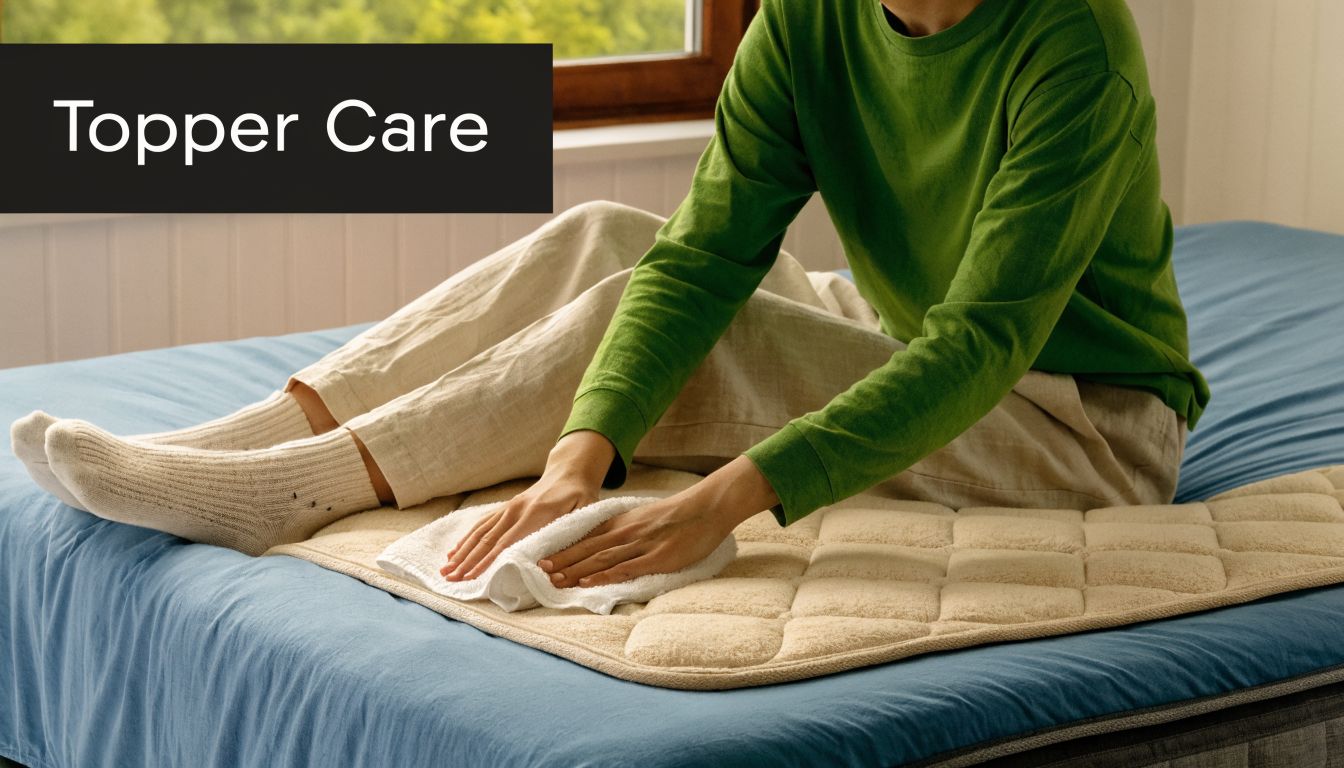
A few habits help most toppers last longer:
- Use a breathable protector so you don’t trap extra heat over the cooling layer.
- Follow the care label closely because foam, wool, and powered systems all have different cleaning limits.
- Rotate when appropriate if the design allows it and wear tends to concentrate in one area.
- Let it air out after unpacking and occasionally during sheet changes, especially in more humid homes.
Simple care by topper type
| Topper type | Typical care approach | What to watch for |
|---|---|---|
| Foam topper | Spot clean and keep dry | Too much moisture can damage the core |
| Latex topper | Gentle spot cleaning and airflow | Heavy soaking is usually a bad idea |
| Wool or quilted pad | Follow label directions carefully | Frequent washing can affect loft depending on construction |
| Active cooling topper | Clean components exactly as directed | Electronics and tubing require more caution |
Buy for the long haul, not just the first five minutes of comfort.
If you want a broader refresher on bed care, this guide to mattress maintenance and cleaning tips to extend its lifespan is a helpful companion read.
Your Pre-Purchase Checklist for a Cooler Bed
You are lying awake at 2 a.m., kicking one foot out from under the sheet and wondering whether a cooling topper will help, or just add another layer that traps heat. That is the right moment to slow down before you buy. A topper can improve an uncomfortable bed, but only if it matches the mattress you already own, the way you sleep, and the amount of care you want to give it over time.
A good checklist keeps you from paying for features that sound impressive online but do not solve your real problem at home.
Quick checklist before you buy
- Confirm your mattress size. Even a slightly off fit can shift around, bunch under the sheet, and change the feel of the bed night after night.
- Name your main goal. Cooling, pressure relief, softer comfort, and easier movement are different jobs. One topper may do two of them well, but rarely all of them equally.
- Look closely at the mattress underneath. A topper can soften a surface or add a cooler feel. It cannot reliably fix deep sagging or a mattress that has already lost support.
- Match the material to your sleep style. Latex often feels springier and allows easier movement. Foam often cushions shoulders and hips more extensively. That difference matters after months of use, not just during the first few minutes.
- Check how much height your bed can handle. A thicker topper can change how you climb into bed, how fitted sheets fit, and even how your mattress feels with your headboard or existing frame.
- Choose a care level you will maintain. Passive toppers are usually simpler to live with. Active cooling systems can work well, but they ask more of you in setup, cleaning, and long-term upkeep.
- Review your full sleep setup, not just the topper. A breathable protector and lighter sheets help heat escape instead of sealing it in. If you are unsure what kind of protector works best, this guide to choosing the right mattress protector can help.
- Ask one practical ownership question. Will this topper still make sense a year from now if your needs, sheets, or bed setup stay the same?
The better choice is the one that fits your mattress, your routine, and your sleep habits over time.
Online research can narrow the field. An in-store trial gives you the missing piece. You can feel whether a topper makes your current mattress more comfortable or merely taller, warmer, or harder to move on. For many Illinois shoppers, that combination of homework at home and hands-on testing at a trusted local store leads to a much better decision.
Why Your Best Sleep Is Waiting at Short Furniture
Hot, restless sleep can make your whole day feel harder than it needs to. The right topper can make your bed feel cooler, more comfortable, and more supportive without forcing you into a full mattress replacement before you’re ready.
That’s one reason this category keeps getting more attention. According to GM Insights market analysis on mattress toppers, the global mattress topper market was valued at USD 1.85 billion in 2025 and is projected to grow, with cooling toppers among the fastest-growing segments. The same source notes that the residential market leads demand, which reflects how many people are looking for practical ways to improve sleep comfort at home.
For shoppers, that growing selection is both helpful and overwhelming. More options mean better chances of finding the right fit. They also mean more confusing labels, more cooling claims, and more products that sound similar but feel very different in real life.
That’s where trust matters. A family-owned furniture store with roots going back to 1870 understands that better sleep isn’t a trend item. It’s part of how people feel at home. Whether you’re upgrading a bedroom, refreshing a guest room, or pairing a new topper with a mattress, bed frame, dresser, or even a full bedroom set, it helps to shop with a retailer known across Illinois for quality, service, and follow-through.
Short Furniture makes that process easier with curated sleep products, online shopping convenience, reliable delivery, flexible financing options, and complimentary design consultations that can help you think through the whole room, from mattresses to nightstands to lighting and beyond.
Shop the collection. Browse the latest arrivals online. Apply for financing today if you’re ready to make a more comfortable bedroom setup happen now, not later.
Ready for a cooler, more comfortable bed? Explore Short Furniture to shop mattresses, bedroom furniture, and sleep essentials online, apply for flexible financing, and schedule reliable Illinois delivery with a trusted family-owned retailer that’s been serving the community since 1870.